
Building on the Women’s Sports Surge
By Damian Garbaccio, Chief Business & Marketing Officer, Affinity Solutions
Attention to Retail was built around a simple premise: the forces shaping retail, media, and measurement are changing rapidly, and the industry must evolve alongside them. Read our other recaps including a conversation with Mark Zagorki and Jon Watts and our panel with Measurement’s Changemakers.
Women’s sports may be the clearest example. What looks like a sudden surge is actually the result of years of advocacy, investment and audience-building finally converging.
The WNBA shows what becomes possible when athletes gain the platform and resources to match the demand that was there all along. The result is not simply more attention, but a new model for how sports properties can create cultural relevance and commercial value at the same time.
At our second annual Attention to Retail event, Breanna Stewart, WNBA and New York Liberty star and Caiti Donovan, WNBA Head of Fan Intelligence, offered two complementary views of that transformation. Stewart brought the player’s perspective; Donovan brought the league’s view of the fan. Together, their comments pointed to the same conclusion: the next phase of growth will depend on protecting the authenticity that built the audience while creating the infrastructure to serve it at scale.
Three ideas from the conversation stood out.
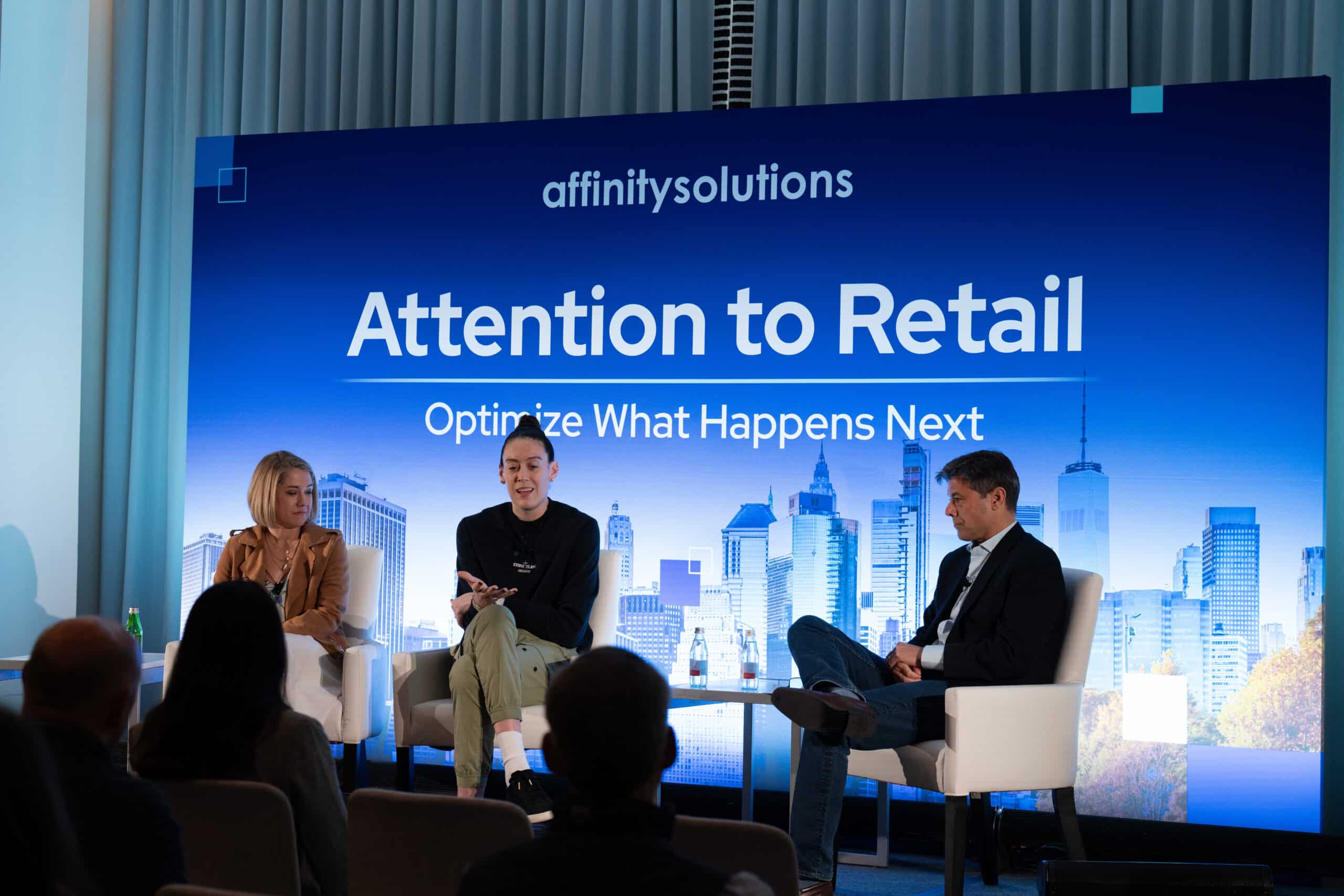
The Player Journey
The WNBA’s commercial rise is easier to understand through the evolution of the player experience. Donovan noted that average team valuations have increased tenfold over the past four years, but many of the conditions supporting that growth were built over time.
As recently as 2016, WNBA players shared hotel rooms on the road. Even after the Seattle Storm won the 2018 championship, the team flew commercial on the trip home. The contrast with today shows how quickly expectations for the player experience have changed.
Those improvements did not happen on their own. Players advocated for them at the negotiating table.
As a member of the WNBA executive committee during collective bargaining negotiations, Stewart advocated for meaningful changes in compensation and working conditions. She said her rookie salary was around $65,000, while rookies now receive close to $500,000—the achievement she said she was most proud of because it changed the game for the long run.
The pipeline has changed, too. Name, image, and likeness opportunities now allow players like Paige Bueckers, Angel Reese, and Caitlin Clark to enter the WNBA with established personal brands, sizable digital followings, and national recognition.
Expanded media access has amplified that shift. Stewart pointed to the league’s growing presence across nationally televised networks, giving players a larger platform than ever.
That is why Stewart rejects the idea that women’s basketball is having a fleeting moment. “It’s not a moment,” she said, describing instead a “constant and continuous momentum shift.”
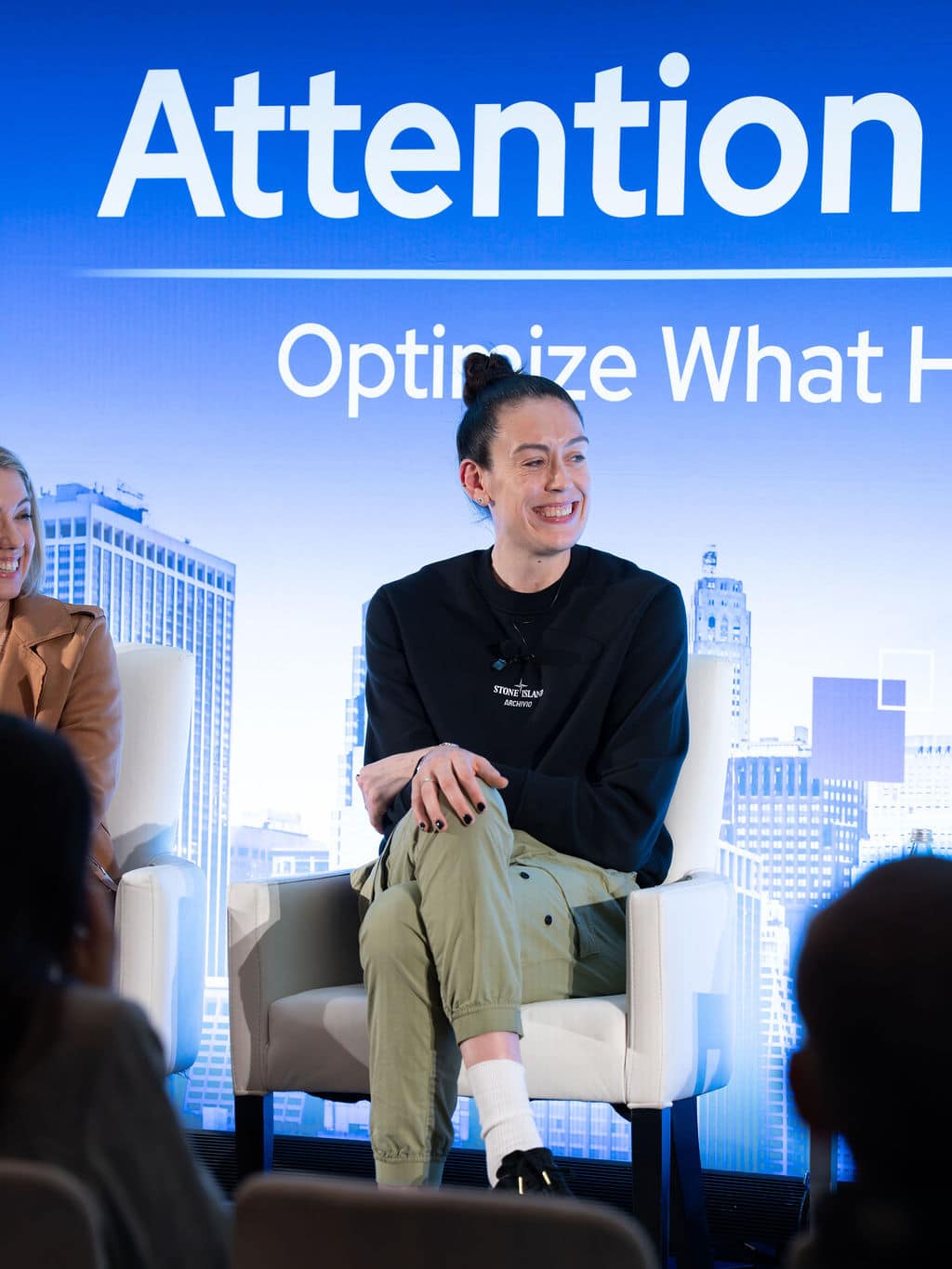
Beyond the Court
The second lesson is that the value being created extends well beyond the game.
Today’s WNBA players sit at the intersection of elite performance and cultural influence, shaping conversations about fashion, apparel, digital content and community activism.
“Tunnel fits” have become showcases for fashion, signature footwear, and personal brands. One of Stewart’s ventures is a favorite of ours: the “Stew York” hat, whose proceeds support her foundation. What started as something she wanted to wear became another way for fans to support a player they already felt they knew and shared values with.
That sense of connection is one of the league’s strongest commercial advantages. Fans are not just choosing a team or tuning in for a game; they are following individual athletes, their personalities, their interests, and the causes they champion.
Donovan offered a striking measure of its power: across league-owned platforms, fans engage with Stewie’s content at 39 times the average rate.
For brands, however, access to that relationship is not automatic. Putting an athlete in an ad is not enough; the partnership has to feel genuine and fit who the player is. Stewart reduced the test to one question: “How can we help each other build together?”
That question gets to the heart of the opportunity. The strongest partnerships do not rent an athlete’s reach. They add value to the community and culture the athlete has already built.
As the WNBA’s visibility grows, that trust gives brands a way to connect with fans on game day and throughout the year, but only if they enter the relationship with something meaningful to contribute.
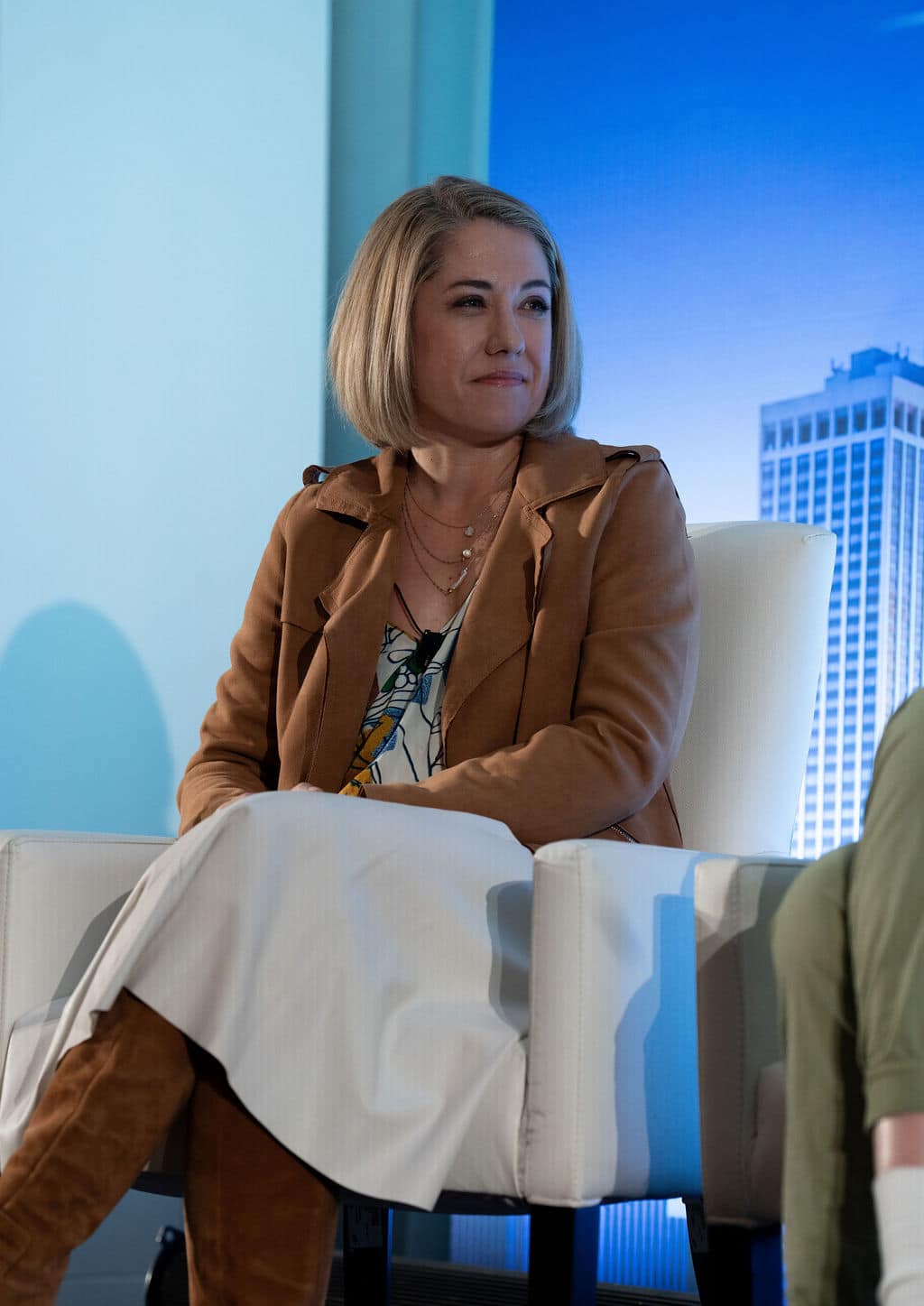
Quantifying the Rise
The third lesson is that sustained growth requires more than cultural heat. It requires the ability to understand the audience and turn that understanding into smarter decisions.
The investment story is already compelling. Donovan said average valuations across WNBA teams have increased tenfold in four years—a rate of growth she said no other business entity, including AI, had matched over the same period. Underneath that growth is a change in fan behavior. She described women’s sports fans as values-first and noted that they engage differently with content, merchandise and the live environment. At Barclays Center, she said, it feels like being surrounded by “17,000 of my best friends”—a vivid expression of the community the league has built.
The WNBA is now working to understand that community more fully through what Donovan described as the first centralized fan data platform in women’s sports, supported by data-sharing agreements with every team.
The ambition goes beyond knowing who watched a game. The platform gives the league a view across fan touchpoints and helps reveal how people engage, which athletes and stories resonate, and where those behaviors create relevant opportunities for brands, media companies and merchandise partners.
For partners, that intelligence can turn enthusiasm into measurable business outcomes. Donovan said the league can increasingly understand “who our fans are, where they are, how they’re behaving” and use those insights to identify opportunities for higher ROI across its ecosystem.
With the league expanding to 18 teams in the coming years and media rights reaching record levels, the WNBA still has enormous room to grow. Nor is it an isolated story: women’s volleyball is gaining ground, and the WPBL recently completed its inaugural season.
The challenge now is not generating attention; it is building the infrastructure to sustain it. Player advocacy created better conditions. Athlete storytelling created connection. Fan intelligence can help the league and its partners act on that connection at scale.
That is the larger lesson of the WNBA’s rise: growth is most durable when culture and commerce reinforce one another. The breakout has already happened. The next chapter is about building an enduring sports economy without losing the human relationships that made it possible.