By Dewi Paulino, SVP of Marketing, Affinity Solutions
Attention to Retail was built around a simple premise: the forces shaping retail, media and measurement are changing rapidly, and the industry must evolve alongside them. Read the recap of our panel featuring Mark Zagorsky and Jon Watts here.
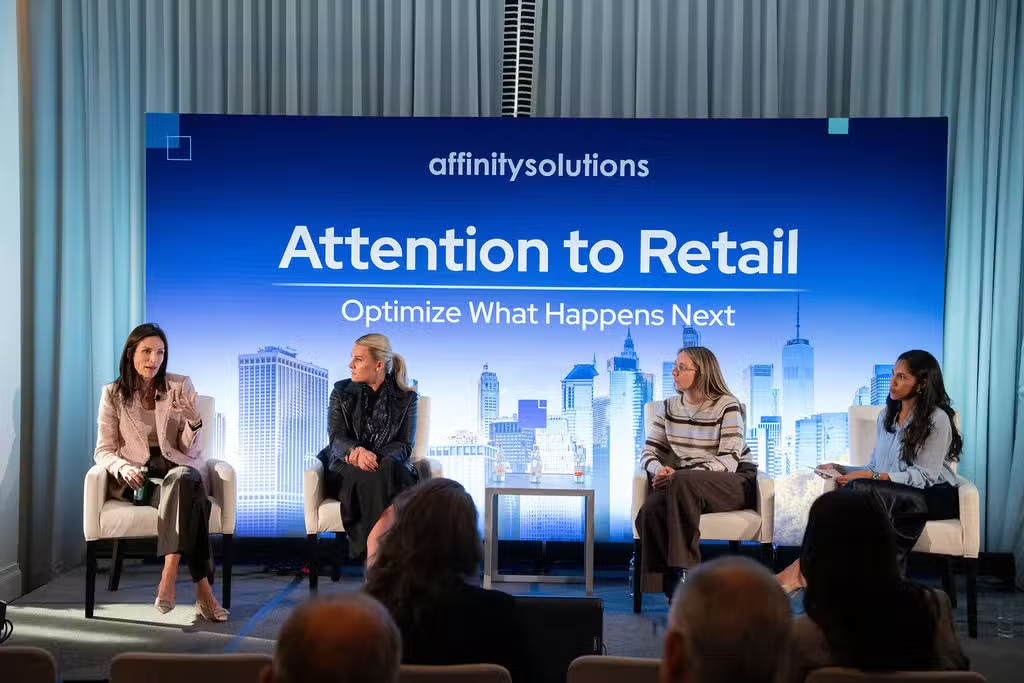
As moderator of our “Outcomes Rockstars: Measurement’s Changemakers” panel, I sat down with three of the industry’s most dynamic and influential female leaders to explore where measurement stands and where it is headed: Gina Reduto, Executive Vice President of Strategy at NBCUniversal Media; Jamie Power, Senior Vice President of Addressable Sales at The Walt Disney Company; and Krystal Olivieri, Chief Strategy Officer at Experian Marketing Services.
The conversation was engaging, practical, and refreshingly direct. Each panelist brought the perspective of a leader responsible not only for interpreting change, but for helping her organization act on it. They challenged a growing disconnect at the center of modern marketing: advertisers have more metrics than ever, yet the easiest signals to capture do not always explain what creates demand, builds preference or drives growth—especially as attention fragments and AI reshapes discovery and purchasing.
The clearest point for me was that better measurement is as much a leadership challenge as a technical one. It requires asking harder questions, starting with the business outcome and building the data and identity infrastructure to turn insight into action faster.
Measurement Has to Connect to What Matters
One tension surfaced early in our discussion: for years, digital marketing has rewarded what can be measured quickly—clicks, click-through rates, CPMs, and conversions. Those metrics remain useful, but Reduto argued that their prominence has encouraged marketers to optimize for efficiency rather than efficacy. It was the kind of candid assessment decision-makers need to consider when familiar practices no longer serve the business as well as they once did.
Last-click attribution is the clearest example. It gives disproportionate credit to touchpoints closest to a transaction, such as search or retargeting, while undervaluing connected television and premium video that may have introduced the brand or shaped consideration much earlier.
Power described the imbalance plainly: marketers cannot “harvest the crop without planting seeds.” Lower-funnel channels may capture an existing sale, but brand-building channels often create the awareness and preference that lead to it.
A better starting point is to define the business goal first, then decide how to measure it. Before a campaign begins, teams should align on what success looks like and use incrementality to identify the results advertising actually caused. The measures should fit the objective: a retailer seeking immediate sales needs a different framework from a brand building long-term awareness, preference and affinity.
I also heard a call for greater speed and the willingness to act on what the data reveals. Knowing that a campaign delivered a strong return is useful. Understanding why it worked and getting that answer in time to influence the next decision is far more valuable.
Connecting Performance Across a Fragmented Market
Creating a complete view remains one of the industry’s hardest problems. Marketers work across platforms, currencies, identity systems, vendors and attribution methodologies, leaving them with a fragmented picture that can take too long to assemble. Solving it requires partners working together across organizational boundaries.
The panel reinforced that the answer is not to force every channel into the same role. It is to create enough consistency in how performance is evaluated that channels can be compared without erasing what each contributes.
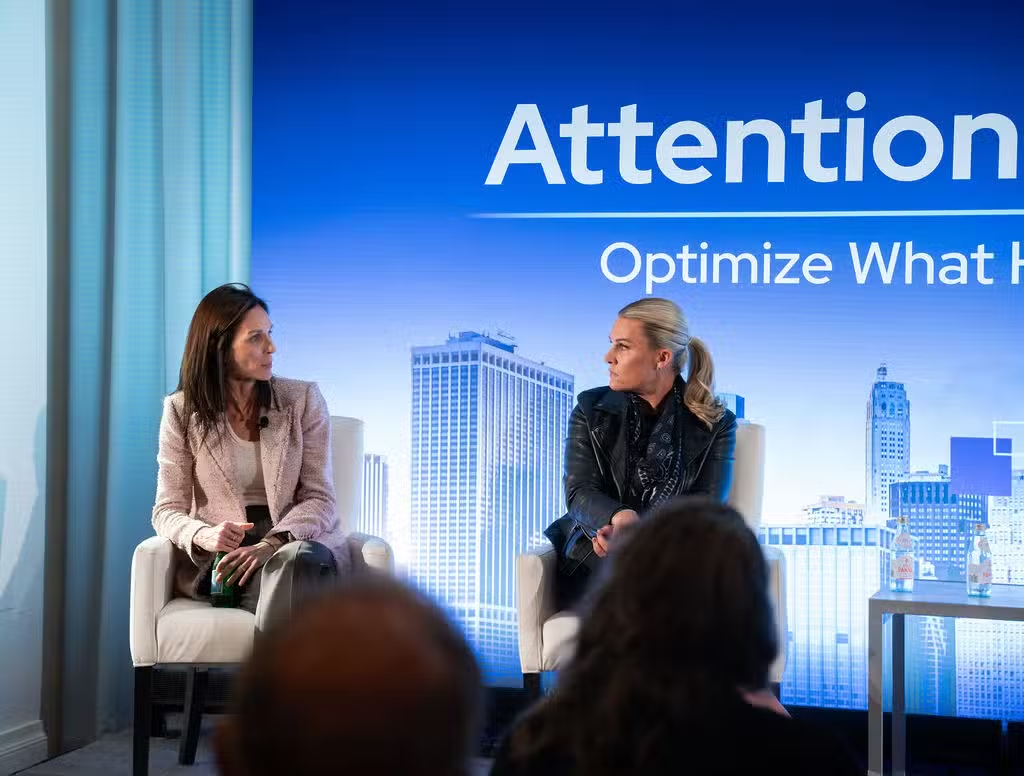
Identity infrastructure is making these connections increasingly possible. Reduto and Power shared how they use identity graphs, while Olivieri highlighted how Experian helps clients leverage its own. Together, their perspectives reflect a broader shift toward identity technology becoming foundational to business operations, connecting fragmented views of consumers while protecting sensitive information.
Brands are also becoming more comfortable sharing protected conversion data when clear safeguards are in place. As Olivieri noted, collaboration becomes easier when data is “protected,” brands retain control and it is not used for “nefarious purposes.”
I was struck by how much progress depends on making these connections usable. Stronger identity infrastructure, privacy-conscious collaboration and more consistent methodologies can move teams beyond isolated channel reports toward a clearer view of how media works together.
AI Raises the Stakes
The conversation became even more forward-looking when we turned to AI. It could accelerate this evolution while making measurement more complicated.
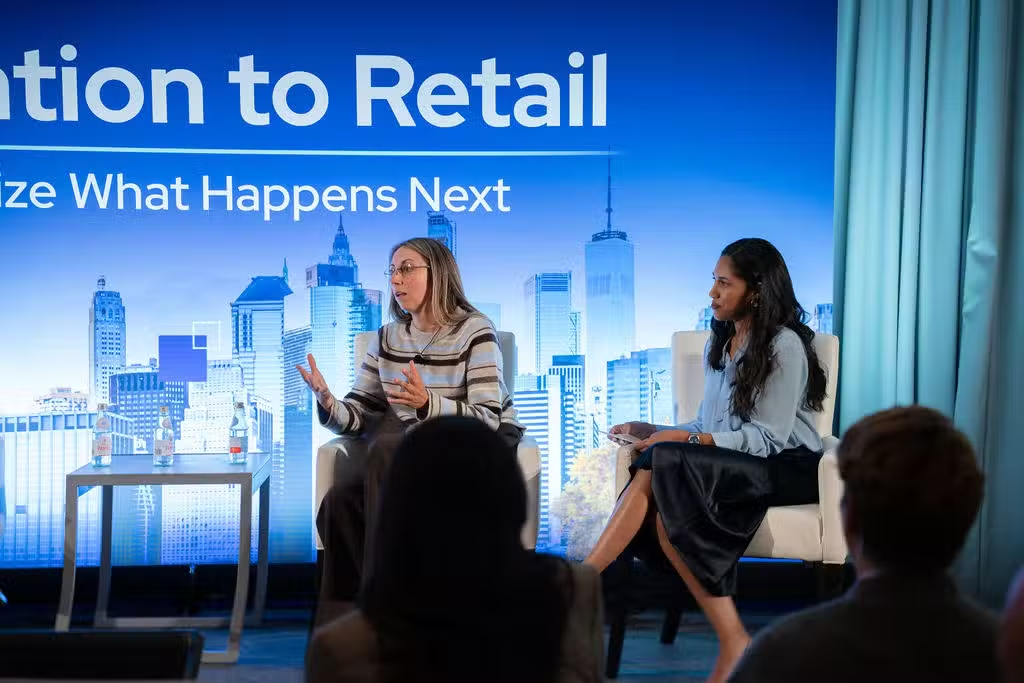
Olivieri sees meaningful potential in agentic AI to automate workflows, speed up processes, and eventually improve prediction and personalization. But she framed AI as a tool for people, not a replacement for them.
Power echoed this point in discussing AI-generated creative. It can make production faster and less expensive while helping teams scale ideas. But speed and scale are most useful when people still bring the judgment, strategy and creativity that turn an output into work that connects.
Human oversight becomes even more important as agentic commerce develops. Consumers already use AI to discover and evaluate products; if they begin letting agents complete purchases, the journey may become less visible. Marketers will need to balance experimentation with accountability while understanding what influenced the consideration set before the transaction.
That could make brand preference more important, not less. As Reduto observed, an agent may execute the transaction, but the consumer’s consideration set still has to come from somewhere. Content, advertising, and brand-building can shape which brands enter it.
The industry will also need new forms of validation. Advertisers and merchants must be able to distinguish legitimate agent-driven purchases from activity that is artificial or manipulated, extending familiar questions of verification into a new commercial environment.
What stayed with me was the candor of three women leaders willing to challenge familiar assumptions without pretending to have every answer. The future of measurement will hinge less on collecting more signals and more on identifying which ones drive growth—and acting on those insights quickly.